 techknowy.com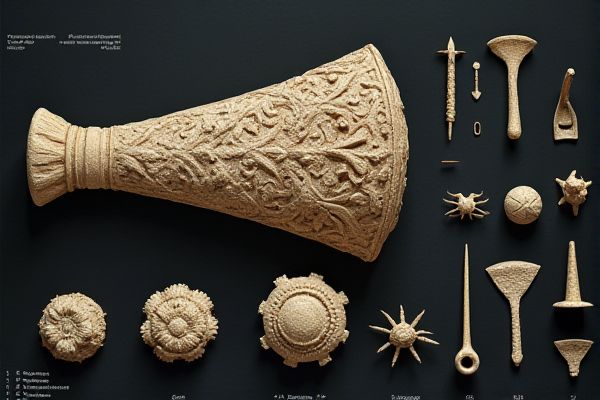
AI streamlines the cataloging process for archaeological artifacts by automating data entry, reducing human error, and enhancing accuracy. Image recognition software can analyze and categorize artifacts based on visual features, enabling researchers to identify patterns and similarities quickly. Machine learning algorithms assist in predicting the historical context and significance of items by correlating them with existing databases. Overall, AI significantly accelerates research efforts and improves accessibility to archaeological findings for scholars and the public alike.
AI usage in archaeology artifact cataloging
Enhanced Data Annotation
AI can streamline the process of cataloging archaeological artifacts, potentially increasing efficiency and accuracy. By implementing enhanced data annotation techniques, researchers may better organize and categorize findings, leading to more effective analysis. For example, an institution like the British Museum could employ AI tools to manage its extensive collection, allowing for quicker access to important information. This could result in improved collaboration among archaeologists and a greater understanding of historical contexts.
Automated Object Recognition
AI can significantly enhance archaeology artifact cataloging through automated object recognition techniques. By employing machine learning algorithms, institutions like the British Museum can streamline the identification and classification of artifacts with increased accuracy. This technology allows for the rapid processing of large datasets, minimizing human error and saving time. The potential for more efficient cataloging could lead to improved accessibility for researchers and expanded public engagement with historical collections.
Improved Image Analysis
AI usage in archaeology artifact cataloging can enhance the efficiency of data organization and retrieval. For example, institutions like the British Museum may benefit from improved image analysis techniques that accurately classify and identify artifacts based on visual characteristics. This technology presents the potential to reduce human error and save time in the cataloging process. With advancements in machine learning algorithms, the chance of uncovering new insights from existing collections could significantly increase.
Predictive Preservation Strategies
AI can enhance archaeology artifact cataloging by automating the classification and documentation processes. For instance, Flinders University has employed machine learning algorithms to improve the accuracy of artifact identification. Predictive preservation strategies can be supported by AI through data analysis, allowing archaeologists to anticipate environmental impacts on sites. This integration could lead to more effective preservation methods and better resource allocation in archaeological projects.
Efficient Data Management
The integration of AI in archaeology can enhance artifact cataloging by streamlining data management processes. For instance, institutions like the British Museum have begun implementing AI algorithms to automate the classification of artifacts, which can reduce time and labor costs. This technology allows for more accurate data sorting, potentially uncovering patterns or connections within collections that may not have been previously recognized. As a result, archaeologists can focus more on analysis and less on mundane tasks, increasing the overall efficiency of research efforts.
Virtual Reconstruction Techniques
AI can significantly enhance archaeology by streamlining artifact cataloging processes, allowing for more efficient data management. Virtual reconstruction techniques can offer detailed insights into ancient sites, creating a clearer understanding of historical contexts. Institutions like the British Museum have started implementing these technologies, providing a framework for future projects. The combination of AI and virtual methods increases the likelihood of uncovering new interpretations of archaeological findings.
Metadata Enrichment Automation
AI can significantly enhance artifact cataloging by automating metadata enrichment processes, which saves time and reduces human error. For example, institutions like the Smithsonian utilize AI to streamline the documentation of their extensive collections. This technology can analyze images and text to generate more detailed descriptions and classifications. The potential for improved accuracy and efficiency in managing archaeological data presents a notable advantage for researchers and curators alike.
Integration with Geographic Information Systems
AI can enhance archaeology by streamlining artifact cataloging through automated recognition and classification. When combined with Geographic Information Systems (GIS), it allows for improved spatial analysis and mapping of archaeological sites. For instance, the integration of AI tools into GIS can facilitate more efficient data entry and retrieval, thus supporting archaeological research. The potential benefits include enhanced accuracy in records and quicker access to valuable information, aiding institutions like universities in their research efforts.
Augmented Reality for Visualization
AI can enhance the cataloging of archaeological artifacts by automating data entry and analysis, allowing for more efficient organization. Tools such as augmented reality (AR) can provide immersive visualizations of findings, offering researchers a better understanding of spatial relationships. Implementing these technologies may lead to improved accuracy and reduced time spent on traditional documentation methods. Institutions like the British Museum could benefit significantly from such advancements in their artifact management processes.
Multimodal Data Fusion
AI can enhance artifact cataloging in archaeology by automating the classification and organization of findings, increasing efficiency and accuracy. With multimodal data fusion, various data forms such as images, texts, and sensor data can be integrated to provide a comprehensive view of artifacts. This approach may lead to the discovery of patterns that could otherwise be overlooked, such as the cultural significance of specific object types. Institutions like the Smithsonian can benefit from this technology, potentially improving the preservation and accessibility of historical collections.